
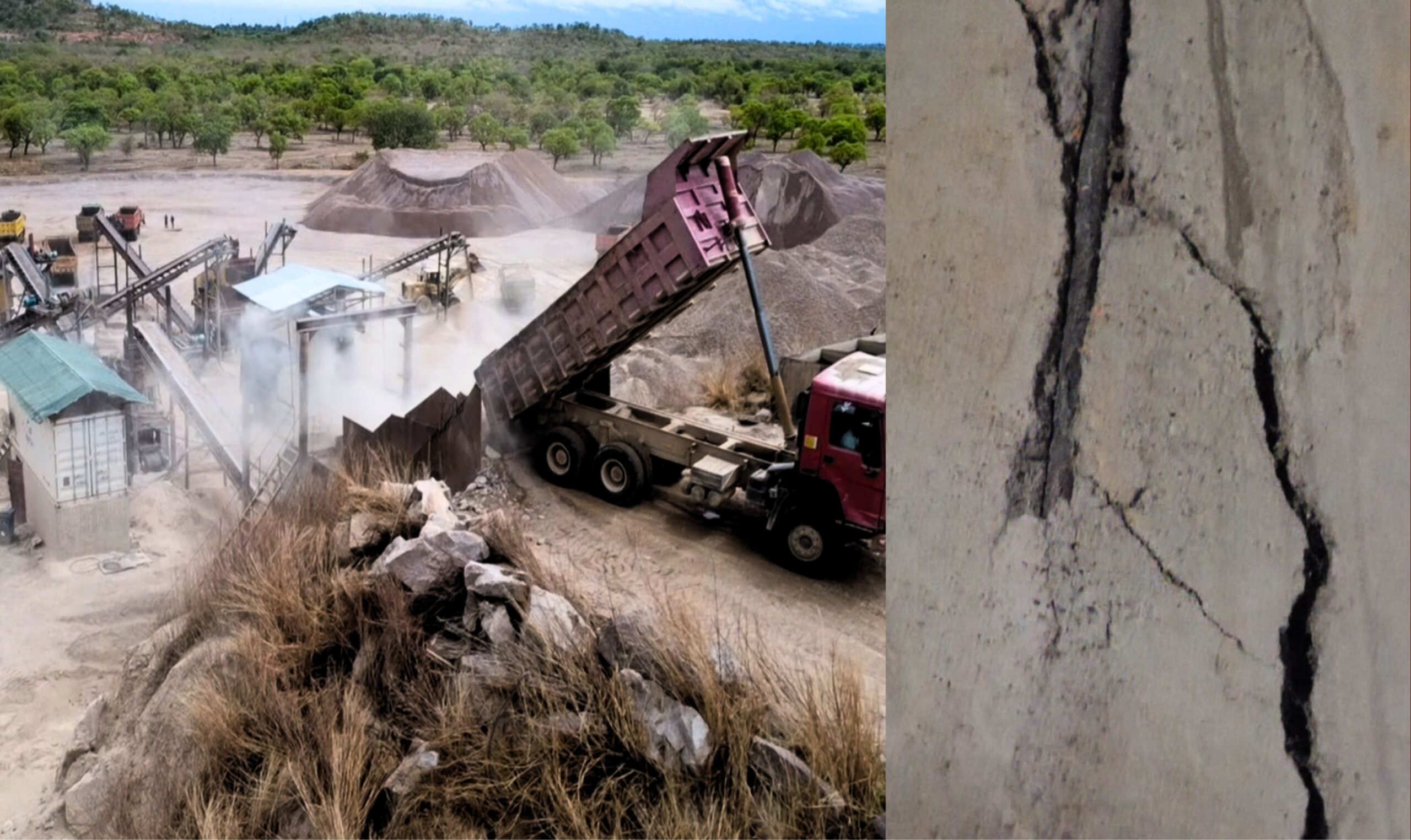
The cracks running across the walls of Augustine Awuni’s house are difficult to miss. They stretch from the corners of the windows toward the foundation, some wide enough for a finger to pass through.
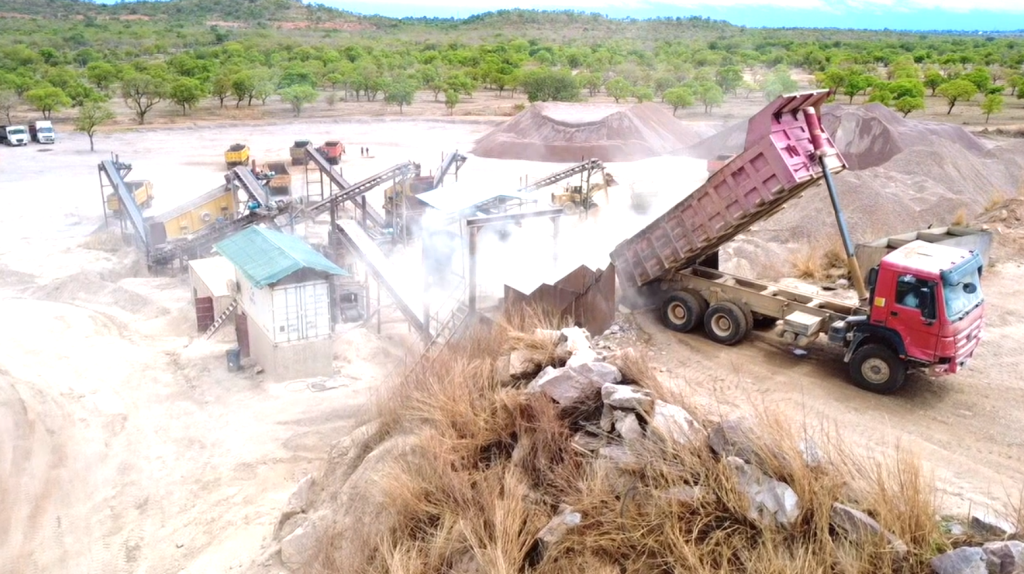
Mr Awuni blames the damage on blasting by Nasara Quarry, which operates only a few metres from his home. He said the explosions routinely shake the building and send dust across the community.
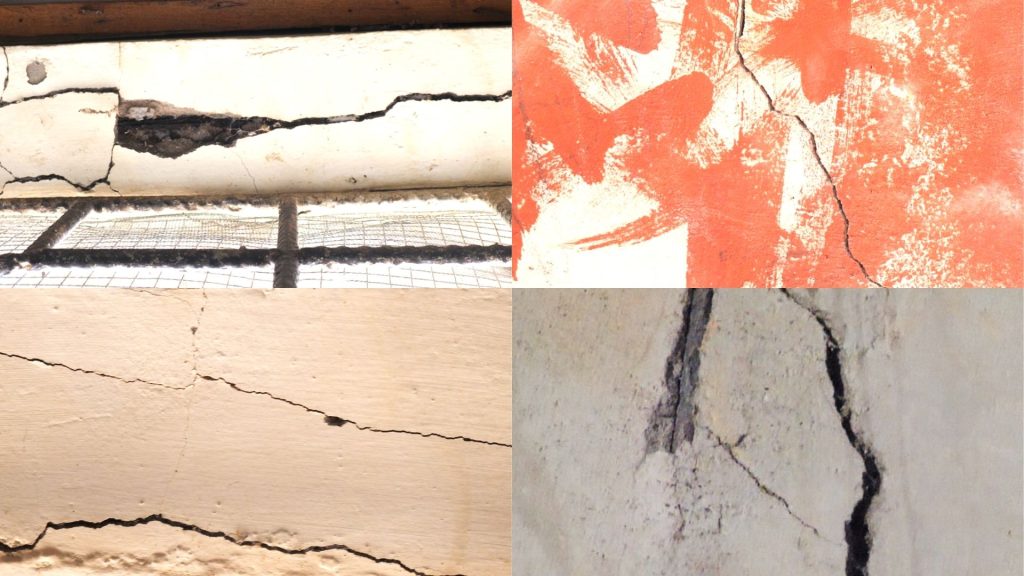
“The whole building started shaking after the blasting. We heard a loud sound, and suddenly cracks began appearing on the walls,” he said, recalling the first explosion he experienced.
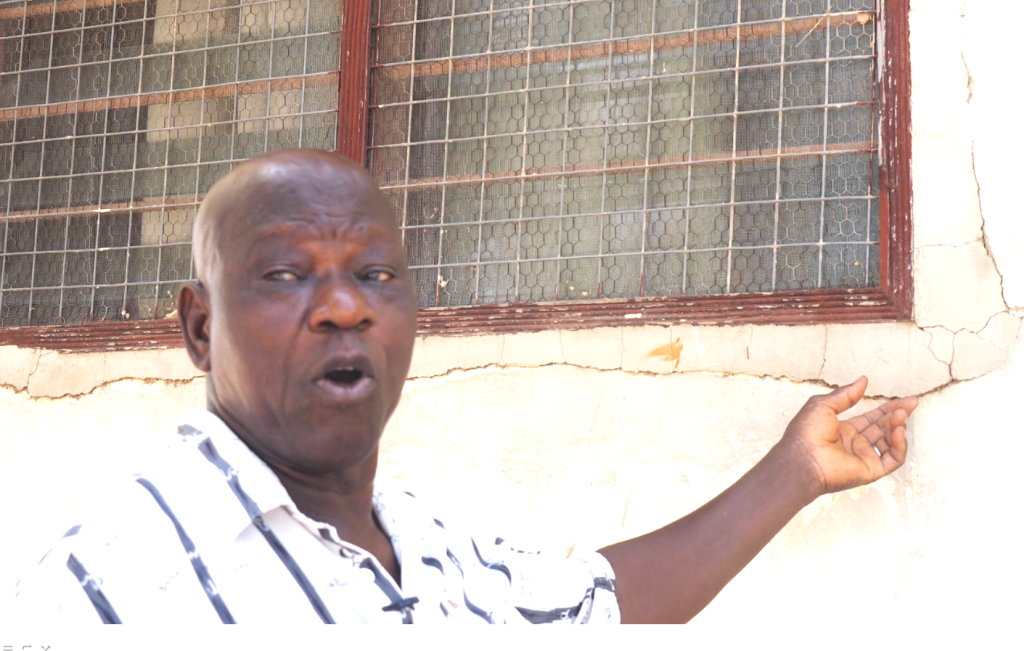
“It was so horrific. The intensity was like an earthquake. Since then, the situation keeps getting worse. We are afraid the house may collapse one day.”
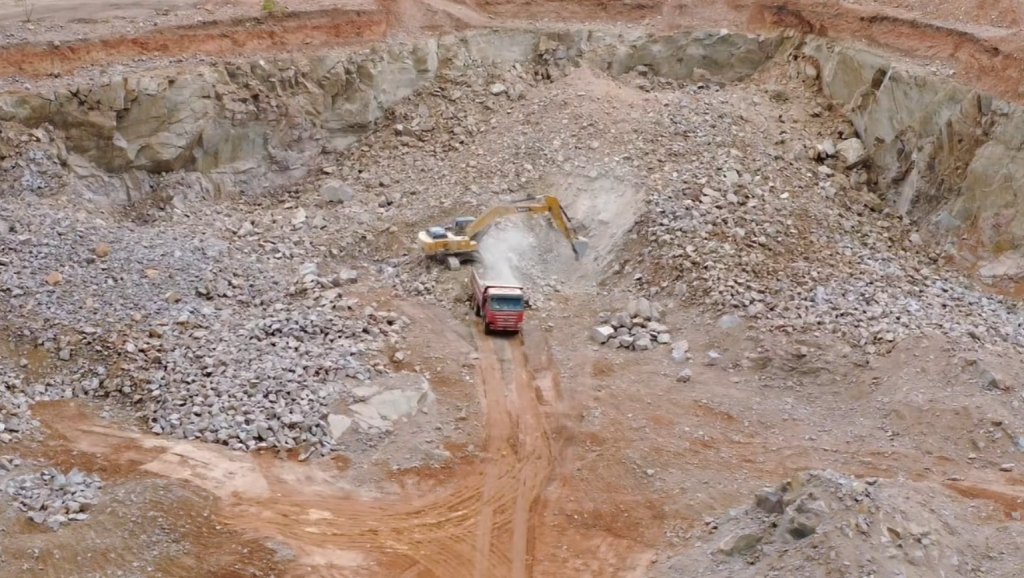
His concerns are shared by other residents of Pwalugu, a community in the Talensi District of the Upper East Region, where quarrying operations have become a source of increasing anxiety.
“Whenever they blast, we run out of our rooms because of the noise and how the ground shakes,” said Anafu Samuel, a painter who lives in the community.
Residents say the effects of quarrying are far more than structural damage to their homes.
Thick dust settles over homes and public spaces whenever blasting takes place, raising concerns about the health and safety of those who live and work near the quarries.
At Takano Junior High School, the assistant headteacher, William Abugre, said in an effort to limit exposure, pupils are usually directed to stay in their classrooms whenever the explosions and dust become intense.
Residents and local leaders say other companies operate near the community, but enforcement has failed to protect people from the consequences.
Moses Adongo, the assembly member for Pwalugu Electoral Area, said Nasara Quarry is not the only company whose operations had affected residents. He identified Mawums Quarry and Upper Quarry as two other companies operating in the area.
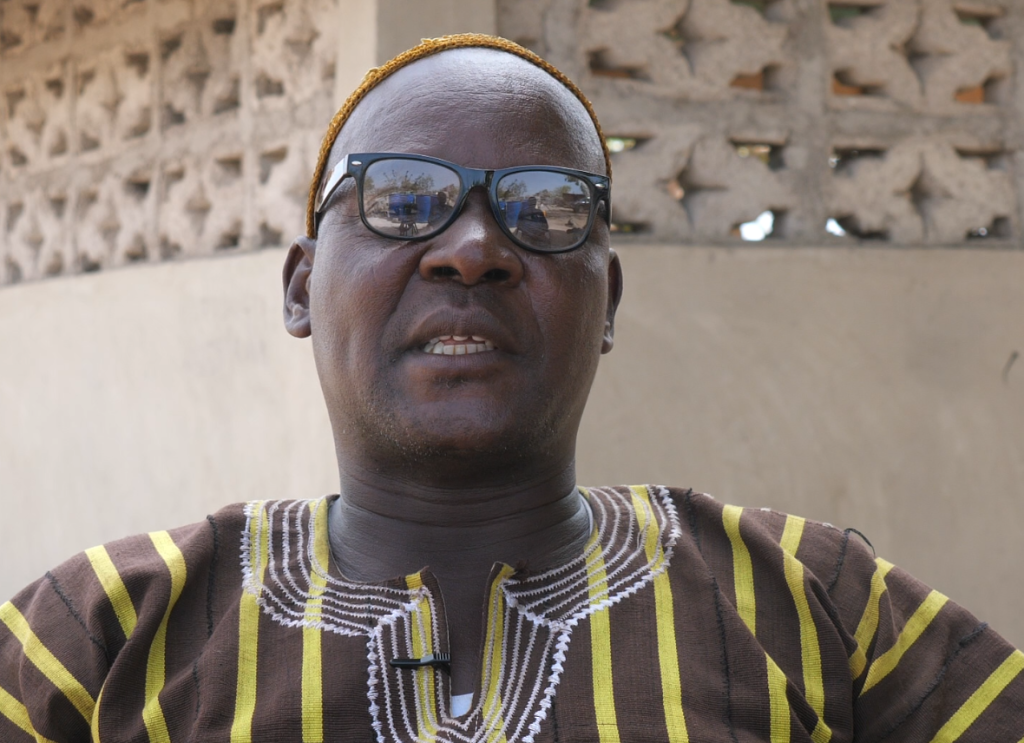
“We have Upper Quarry also blasting and it affects buildings within the Nayiri area, the Roman Catholic area and the new site area,” he said. “When we get towards Arigu road, there’s Mawums Quarry. They grind in the night, you can’t sleep.”
Mr Adongo called on the Environmental Protection Authority and the Minerals Commission to place residents’ health and safety at the centre of their oversight. He said the regulators should monitor the companies more closely and compel them to comply with the rules governing quarry operations.
The Fourth Estate found that about five officers at the Pwalugu Police Public Safety Training School had their television sets damaged following what residents described as an “earthquake blast” by Nasara Quarry in 2025.
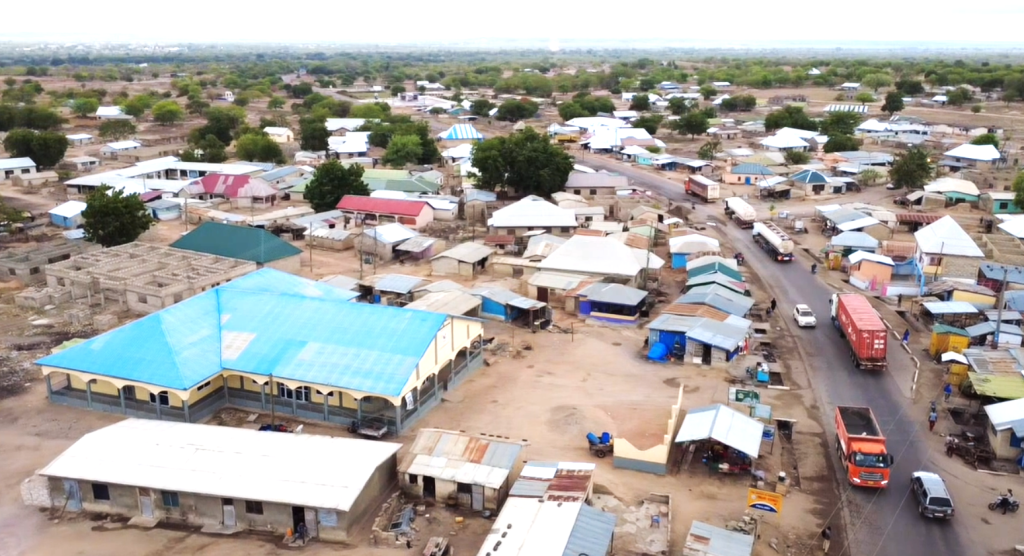
The explosion caused the ground to vibrate and buildings to shake, residents said. Cracks appeared in walls, while television sets belonging to police officers were damaged.
A senior officer who was at the training school when the incident occurred confirmed that the damage had resulted from the blast.
“My brother, the incident affected the whole community including the Police Training School, but I cannot speak about it because the community has a chief and the matter has been reported to him,” he said.
The Chief of Pwalugu, Naba Ayine Akapisii Kurugu, acknowledged that quarrying had caused serious problems in the community, particularly for residents whose homes had been damaged by repeated blasting.

He said he had a meeting with management of Nasara Quarry to discuss the destruction attributed to the company’s operations.
According to the chief, the meeting ended with the company agreeing in principle to compensate residents whose properties had been damaged.
But the compensation process has not begun. The company must first compile an inventory of the affected properties, verify the reported damage and determine who qualifies for payment, the chief said.
It remains unclear when that assessment will be completed or when affected residents might receive compensation.
Dr Emmanuel Yenumi Wandaat, the acting Upper East Regional Director of the Environmental Protection Authority, said he was aware of the residents’ concerns.
He said the Authority was working with other regulatory bodies and the Talensi District Assembly to examine the complaints.
However, the Talensi District Chief Executive, John Nabwomya, told The Fourth Estate that he was unaware of the reported impact of the two companies’ operations on Pwalugu residents, including the allegations that blasting had affected the structural integrity of many houses.
But for Mr Awuni and his neighbours, the damage is already visible and very real.
What remains uncertain is whether the complaints, meetings and promises of compensation will lead to repairs, stronger regulation or relief from the blasts that continue to unsettle the community.
Source | Thefourthestategh.com