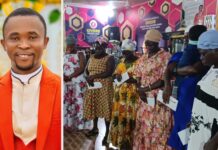


The Project Manager of the Esahie Literacy Project, Samuel Owusu Gyabeng, has revealed that the initiative has significantly transformed education, cultural preservation, and community development across Sefwi-speaking areas.
Speaking on “Kro Yi Mu Nsem” with Nana Asare Kesse, he explained that the project inspired him to pursue further studies, leading him to obtain a Master’s degree in Project Management at the Kwame Nkrumah University of Science and Technology (KNUST).
According to him, the lack of fluency in the Sefwi language among indigenes motivated him to join the literacy initiative, which now focuses on teaching children in their mother tongue (L1).
He noted that teachers across beneficiary communities have testified that pupils understand lessons better when taught in the local language.
Samuel Owusu Gyabeng emphasized that using the Sefwi language in education is also helps to preserve the culture, especially since much of it was not formally documented by ancestors.
He added that the language is gaining wider recognition, with speakers in countries such as Côte d’Ivoire, Nigeria, and South Africa.
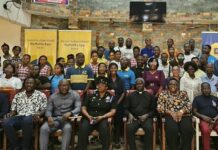
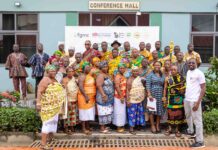
He further disclosed that the project has recorded strong community acceptance across Bibiani-Anhwiaso-Bekwai, Sefwi Wiawso, Juaboso, Akontombra, Bodi, and other areas.
However, he expressed concern over inadequate funding, stating that only about 20 percent of support currently comes from foreign sponsors.
He explained that the lack of funding has made it difficult to produce learning materials, particularly primers for Basic 1, 2, and 3 learners.
Owusu Gyabeng also noted the initiative is expanding its reach through digital learning.
He revealed plans to train facilitators in online literacy delivery to support learners outside the region and abroad.
He added that the impact of the project is visible in communities where Sefwi is now commonly used in churches, mosques, funerals, and public meetings.
He also highlighted the development of Sefwi-language educational resources, including a Sefwi Bible and structured teaching materials categorized into three levels: alphabet learning (Primer 1), word formation (Primer 2), and post-literacy storytelling promoting cultural knowledge.
Additionally, the project incorporates livelihood empowerment activities such as soap making and bead production to support beneficiaries economically.
Samuel Owusu Gyabeng concluded the project has contributed to leadership development within the communities, noting some beneficiaries have gone on to win assembly elections.