
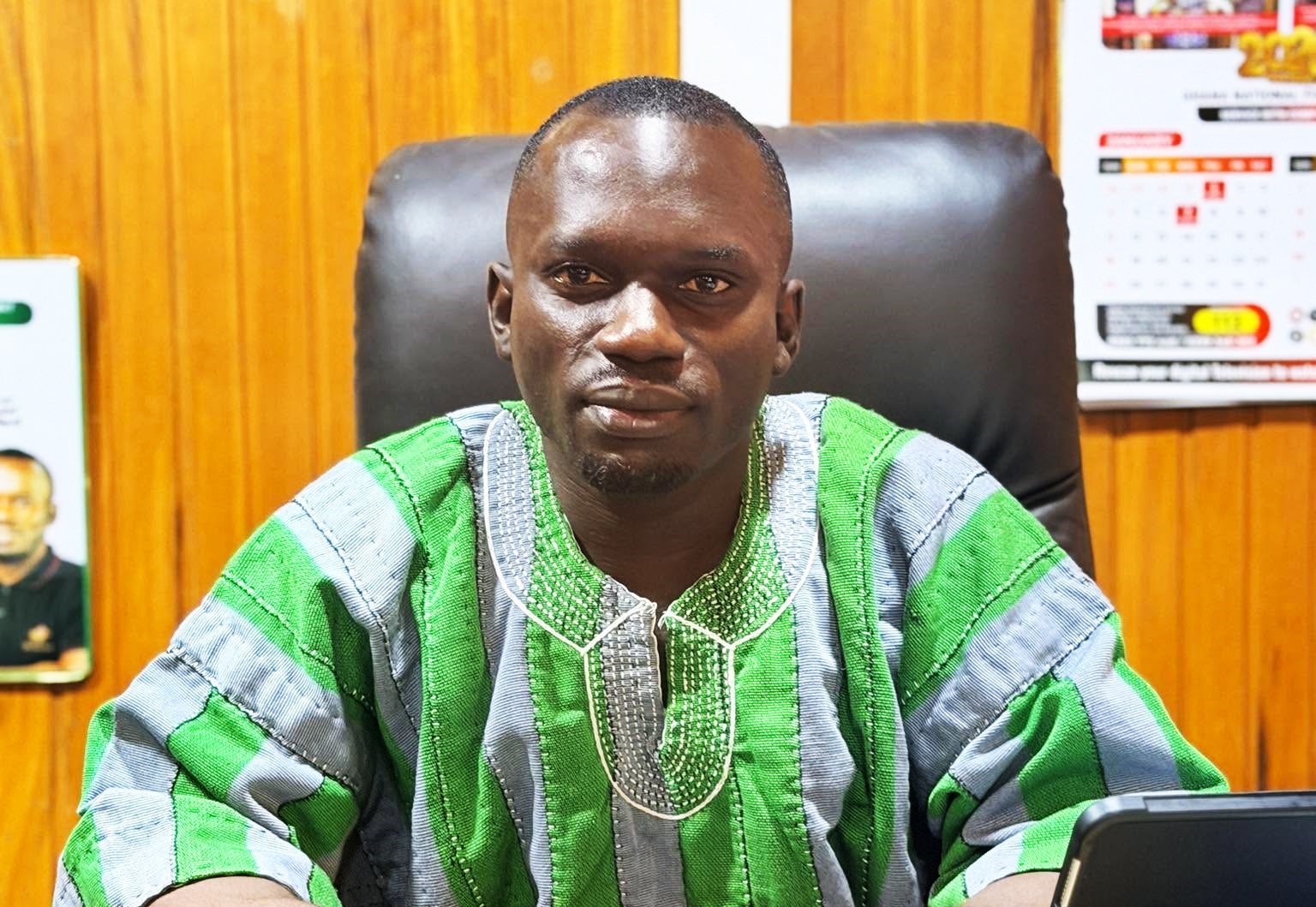
The Sefwi Wiawso Municipal Assembly has reported progress in revenue mobilisation, road rehabilitation, education, healthcare, agriculture and youth employment, while outlining infrastructure projects planned for 2027, according to the Municipal Chief Executive, Dominic Gyasi.
Mr Gyasi outlined the Assembly’s activities at a town hall meeting held at Ebenezer Methodist Church in Dwinase on Thursday, 22 October 2026.
His presentation covered projects undertaken between April 2025 and September 2026, youth employment, illegal mining, sanitation, community engagement and challenges affecting development in the municipality.
He said the Assembly was pursuing interventions aimed at improving infrastructure, expanding economic opportunities and strengthening the delivery of basic services, while acknowledging constraints relating to revenue mobilisation, land disputes and cooperation with some traditional authorities.
Revenue Performance and Financial Position
Mr Gyasi said the Assembly had collected GH¢2,572,500 in internally generated funds between January and September 2026, exceeding the GH¢2,508,173 recorded in 2024 and GH¢2,446,534 in 2025.
He said the revenue performance reflected the Assembly’s efforts to improve revenue mobilisation, although challenges remained, including a low revenue base and the unwillingness of some ratepayers to meet their obligations.
However, the presentation showed that revenue from all sources totalled approximately GH¢33.18 million against a budget of GH¢60.44 million as of September 2026, representing about 54.9 per cent of the target.
Road Rehabilitation
The MCE reported that the Assembly had undertaken road rehabilitation works under the District Road Improvement Programme (DRIP), covering a total of 46.3 kilometres of roads across several communities.
He listed roads covered, including those in Nsuonsua, Keteboi, Futa, Ahokwa, Aboboyaa, Omanhene Newsite and Attacamp, as well as the Bosomioso–Kokoyaa, Ahwiaa–Kyereboso and Camp–Bakromisa roads and sections of the Asafo and Boako highways.
He also highlighted pothole patching and grading works, including on the road from RCC Junction to RCC.
Mr Gyasi further identified the Dwinase bypass as an important infrastructure project, with the upgrading and compaction of a 1.5-kilometre section planned for 2027 under the first phase.
Water Supply and Sanitation
Mr Gyasi reported that the Assembly was implementing borehole projects to improve access to potable water across the municipality.
He listed 10 mechanised boreholes under construction in communities including Bosomioso, Ahwiaa, Anhwiam, Kojina, Punikrom, Camp, Anyinbrem, Affrimkrom and Anglow.
He also highlighted a separate set of 10 borehole projects covering communities including Arthurkrom, Kwasiaddaekrom, Aboboyaa, Ahokwaa, Asawinso Market, Owuoabroso, Paradise, Kramokrom, Sui Nkwanta and Gyampokrom.
On sanitation, the MCE said 50 casual sweepers had been engaged to clean the central business district following the termination of the Youth Employment Agency contract with Zoomlion Ghana Limited.
He added that the Assembly had organised clean-up exercises, desilted drains, cleared refuse dumps and provided education on food hygiene and safety for food vendors.
He also disclosed that the Assembly was inviting sanitation contractors to submit proposals for waste management services in the municipality.
Healthcare Infrastructure
The MCE said the Assembly had undertaken healthcare infrastructure projects aimed at improving access to services in underserved communities.
He cited the construction of Community-based Health Planning and Services (CHPS) compounds and accommodation facilities at Essakrom-Kojina and Keteboi, as well as renovation works at the nurses’ quarters in Abonse.
Other planned healthcare investments include CHPS compounds with residential facilities at Penakrom and Amafie.
Mr Gyasi said the projects were intended to strengthen healthcare delivery and improve access to essential services.
Ghana Secondary Cities Support Programme
The MCE said the municipality was benefiting from the Ghana Secondary Cities Support Programme (GSCSP), funded by the World Bank, to improve urban management and basic services.
He highlighted improvements at the Boako and Dwinase markets, including market access works, drainage infrastructure, sanitary facilities, electricity installations and the construction of lockable stores.
He also reported that the Assembly’s current leadership had taken steps to address outstanding issues affecting the completion of the artificial turf and synthetic surface project at Sefwi Wiawso.
Mr Gyasi said efforts were also underway to resolve outstanding issues affecting other GSCSP projects, including access roads, drainage and facilities at the Dwinase market.
Youth Employment and Ghana Labour Exchange Programme
The MCE reported that residents had benefited from employment opportunities across various institutions and government programmes.
He cited placements under DRIP, the Driver and Vehicle Licensing Authority (DVLA), the National Lotteries Authority, the Cocoa Marketing Company and other public institutions.
He also listed opportunities in the police, fire service, water guards, forest guards, national security, prison service and community medical first responder programmes.
On the Ghana Labour Exchange Programme, Mr Gyasi said 26 people had been shortlisted to travel abroad.
He also announced a call for experienced craftsmen and professionals to participate in training apprentices under the National Apprenticeship Programme.
The trades include carpentry, plumbing, electrical works, ICT, hairdressing, tailoring, welding, masonry, catering and other vocational skills.
Social Welfare and Support for Persons with Disabilities
Mr Gyasi said the Assembly continued to support vulnerable households through social protection interventions.
He reported that GH¢652,932 had been paid to 567 households under the BIG LEAP programme by the end of September 2026. The beneficiaries comprised 200 males and 367 females.
Regarding support for persons with disabilities (PWDs), he said the Assembly had disbursed GH¢185,250 for education and training, economic empowerment, medical assistance and assistive devices.
He added that the municipality had 860 registered persons with disabilities and continued to facilitate free renewals of their National Health Insurance Scheme memberships.
Agriculture and Feed Ghana Programme
The MCE said the Assembly was supporting farmers through the Feed Ghana Programme to strengthen local food production and improve agricultural livelihoods.
He reported that 18 sensitisation programmes had been organised and 134 farmer-based organisations, comprising 5,360 farmers, had been formed to benefit from government interventions.
Under the Nkoko Nketenkete programme, Mr Gyasi said the Department of Agriculture had received 10,000 day-old chicks, alongside drugs, vaccines and 454 bags of poultry feed.
He explained that the birds were raised to four weeks old before being distributed to 310 farmers, comprising 246 males and 64 females, in the municipality.
He also reported that 235 rice farmers had received training in improved rice cultivation techniques, while fertiliser supplies had been made available to rice, vegetable and cocoa farmers through Assembly and parliamentary interventions.
Education
Mr Gyasi outlined several educational infrastructure projects undertaken in the municipality, including the construction of a two-unit kindergarten block at Kwasiaddaekrom and a three-unit classroom block with an office, store and toilet facilities at Nyamendae.
He also highlighted the construction of a six-unit classroom block at Dwenase Methodist School and the supply of dual desks, tables and chairs to schools.
The MCE said additional education projects were expected to commence with support from the Ghana Education Trust Fund (GETFund) through the Member of Parliament.
These include dining halls and modern kitchens for Asawinso Senior High School, Asafo College of Health and Sefwi Wiawso Senior High Technical School, as well as classroom blocks, teachers’ quarters and a boys’ dormitory.
On the Ghana School Feeding Programme, he reported that 41 public schools in the municipality were benefiting, with 14,459 pupils enrolled, comprising 7,357 boys and 7,102 girls.
He added that a proposal submitted in 2025 to include an additional 10 schools was awaiting approval.
Tourism Promotion
The MCE announced plans to promote Sefwi Wiawso’s cocoa heritage through the Cocoa City Experience initiative, which seeks to boost tourism, local entrepreneurship and investment.
He said the 2026 edition was scheduled for 28 November to 5 December, providing an opportunity to showcase the cocoa value chain, local products, cultural attractions and business opportunities.
According to him, the initiative would strengthen the municipality’s identity as a major cocoa-producing area while supporting economic development.
Business Resource Centre and Enterprise Development
Mr Gyasi highlighted the role of the Business Resource Centre in supporting local entrepreneurs and skills development.
He reported that a beneficiary of the Cocoa City initiative had secured GH¢200,000 in funding from Asawinso Rural Bank to expand a business.
He also said a farmer with a disability from Sefwi Bekwai had secured a GH¢1 million facility following participation in a business forum and exhibition under the Cocoa City Experience programme.
The MCE further reported that 68 participants at Ahokwaa had received technical skills training in baking, confectionery, make-up and wig making through collaboration between the Ghana Enterprises Agency and the Arab Bank for Economic Development in Africa.
He added that 61 participants had received entrepreneurship and business management training, while 41 hairdressers at Asawinso were being prepared to access GH¢300,000 in funding from Sefwiman Rural Bank.
NADMO and Electricity
The MCE said the National Disaster Management Organisation (NADMO) had provided relief items to 35 households affected by disasters in the municipality.
The items included rice, cooking oil, mattresses, mosquito nets, blankets, basins, buckets, plates and cups.
On electricity, Mr Gyasi reported that transformers had been supplied to communities including 82 and Aboso.
He added that 400 streetlights had been supplied to selected communities, alongside installation and maintenance works to improve public lighting.
Legacy Projects
The MCE outlined completed, ongoing and planned legacy projects across the municipality.
Among the completed projects were a three-unit classroom block with an office, store and ancillary facilities at Penakrom-Nyamebekyere and a three-unit classroom block at Pewodie.
He said construction of a maternity block at Sefwi Wiawso Government Hospital was ongoing.
Mr Gyasi said the construction of a two-storey hostel for community health nursing trainees at Asafo was among the legacy projects expected to commence.
Fight Against Illegal Mining
Mr Gyasi said the Assembly was supporting efforts to combat illegal mining in the municipality.
He reported that he had led the Blue Water Guards to arrest five suspected illegal miners at Agona Asafo as part of efforts to curb the practice.
He stressed the importance of sustained action against illegal mining to protect the environment and water resources.
Member of Parliament’s Projects and Programmes
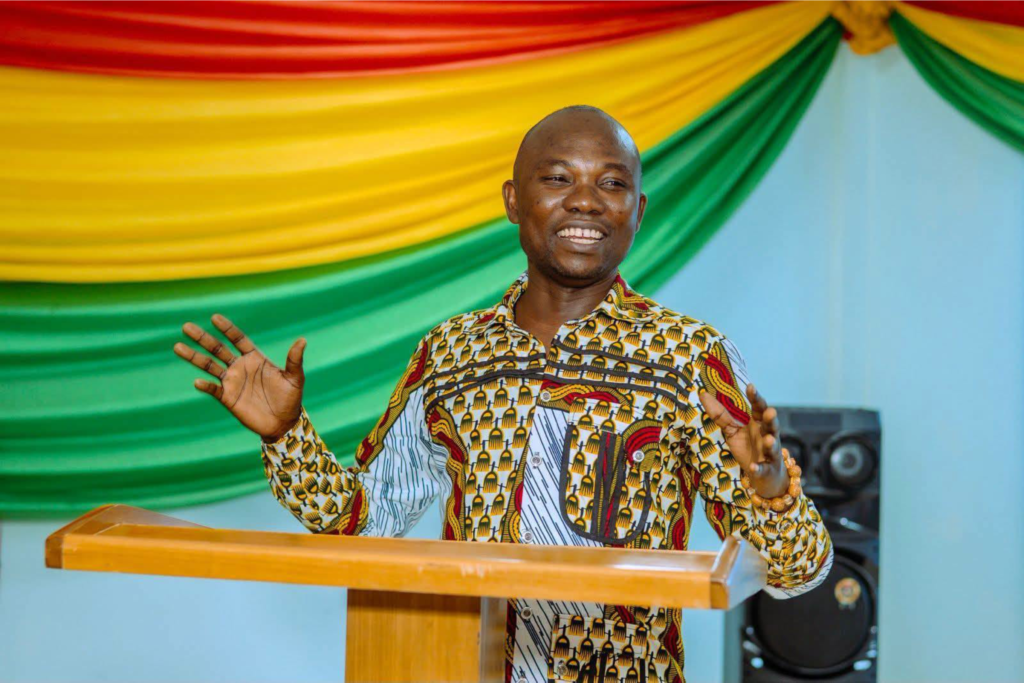
The MCE also highlighted development initiatives supported by the Member of Parliament for the Sefwi Wiawso Constituency, Kofi Benteh Afful.
He reported that 74 people had benefited from employment opportunities through various institutions and programmes supported by the MP.
The initiatives included employment in teaching, water guarding, agriculture, the Ghana Standards Authority, the Environmental Protection Agency, DVLA and the Cocoa Marketing Company.
He also listed projects such as the renovation of teachers’ quarters at Abonse and Bechewa, improvements at Asawinso School A with STEM facilities, the construction of a residential and community health (RCH) facility at Sefwi Boako Clinic, teachers’ quarters at Mile-3 Community and the development of funeral grounds at Nkonya.
Other projects included the construction of teachers’ quarters under self-help initiatives at Mensahline and Brekuline.
The MP had also supported candidates preparing for the 2026 Basic Education Certificate Examination (BECE) with passport fees and paid school fees amounting to GH¢132,000 for 24 students at Bennia Apenteng Senior High School.
The presentation also listed a proposed 24-hour economy market at Sefwi Asawinso among the MP-supported initiatives.
Major Projects Planned for 2027
Mr Gyasi outlined several projects earmarked for implementation in 2027.
These include the construction of a three-unit classroom block with ancillary facilities at Appiahkrom, the drilling and mechanisation of 10 boreholes in selected communities, and the completion and furnishing of the community health nursing training hostel at Asafo.
Other planned projects include CHPS compounds with accommodation at Penakrom and Amafie, a police post at Punikrom, the upgrading and compaction of the Dwinase bypass, and the construction of double culverts at Lawekrom, Kwanikrom, Ewiase and Mpomam.
He also identified the construction of a fence wall, pavement and landscaping at the Municipal Assembly as part of the planned projects.
Establishment of Wood Village
The MCE announced plans to establish a Wood Village to support economic activity and create opportunities within the municipality.
He said a committee had been formed to lead the initiative, stakeholder consultations had been held and proposed sites had been identified.
Challenges Facing the Assembly
Despite the progress outlined, Mr Gyasi identified several challenges affecting the Assembly’s development efforts.
He cited low revenue mobilisation, the unwillingness of some ratepayers to fulfil their obligations, land ownership disputes and inadequate cooperation from some traditional authorities on spatial planning.
He also raised concerns about landowners selling plots outside approved spatial plans and developers acquiring land without obtaining the necessary planning permissions.
The MCE said these issues continued to affect effective development control and the Assembly’s ability to implement its plans.